關於「kimono」標籤
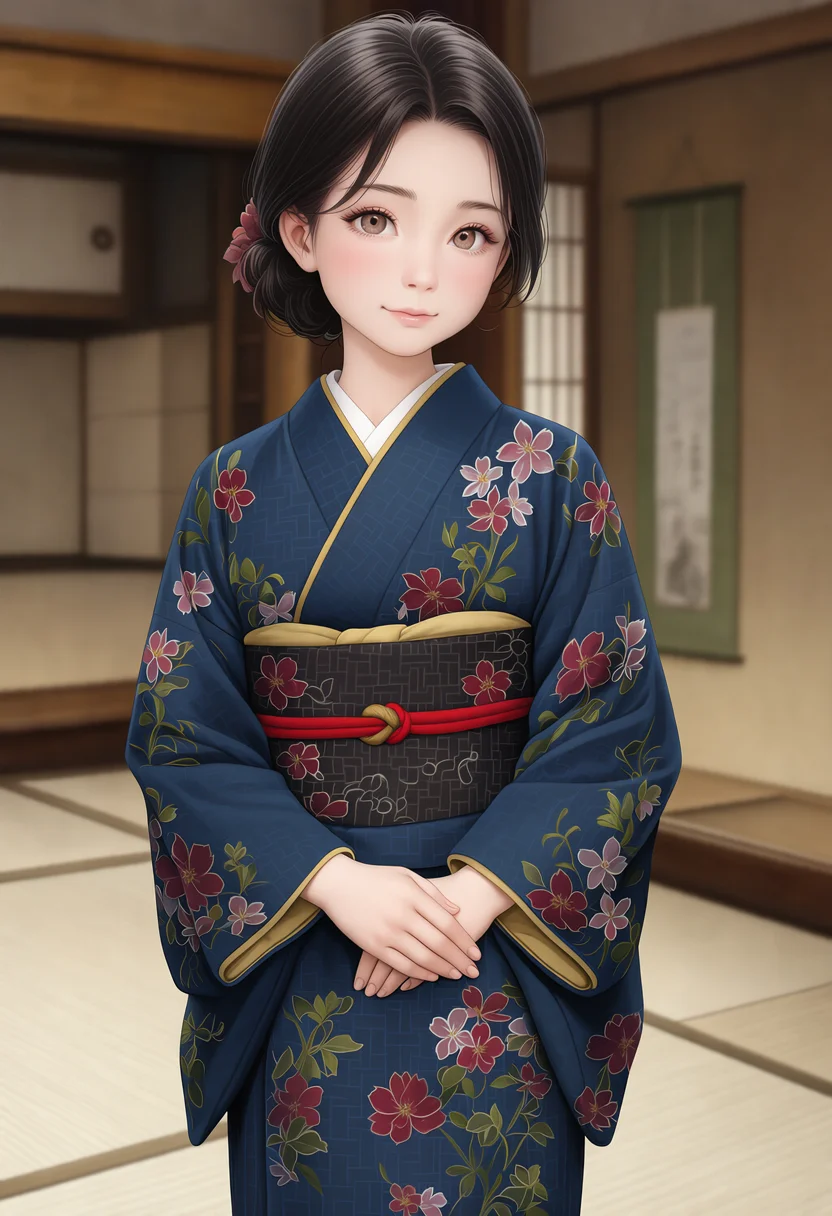
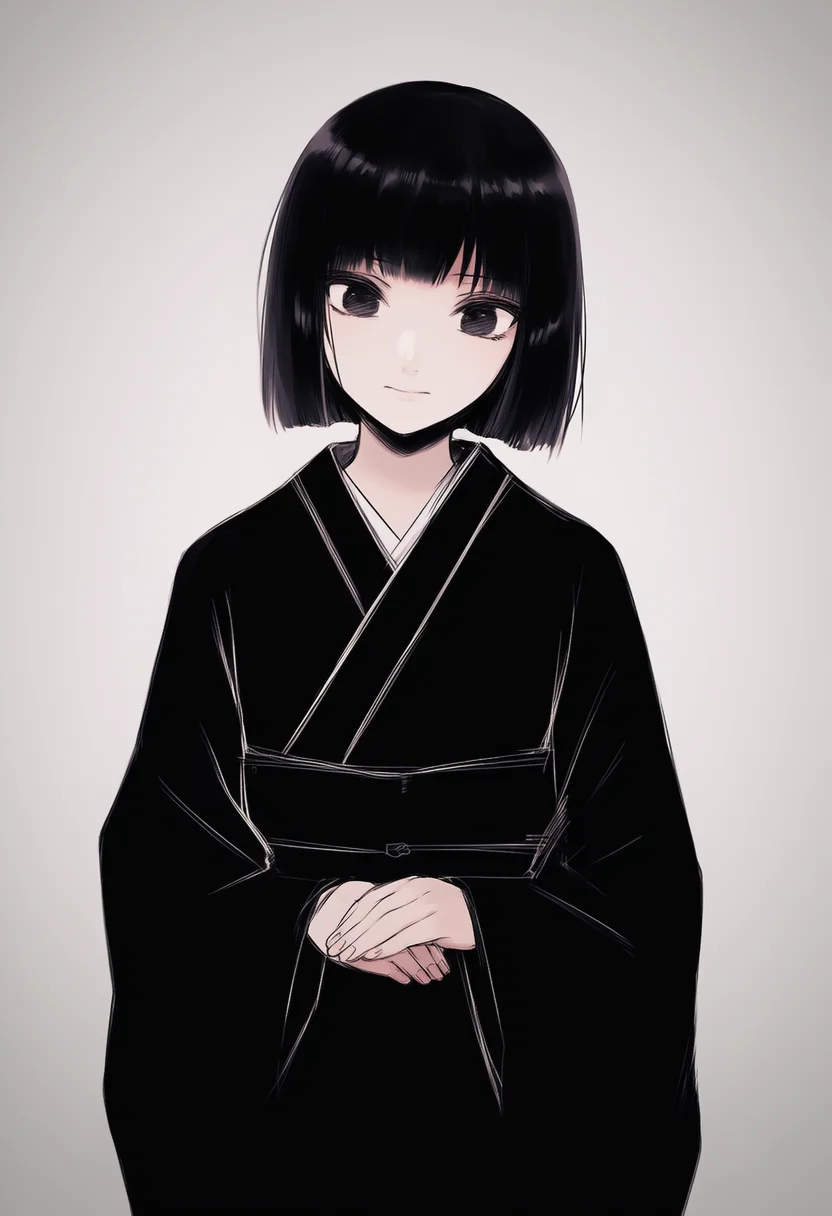
kimono 是 NovelAI Diffusion 可以使用的服裝標籤。Danbooru 上有 239,690 篇投稿,靜態圖的最高分數為 1,276。上方範例把這個標籤放在固定基準提示詞的開頭,並以 seed 1234 生成,因此與其他標籤的差異都來自這個標籤。
各模型畫出的 kimono
忠實遵循構圖與表情的指定,標籤效果呈現得較整齊。
對標籤的反應更強,效果更容易看出來。
本機模型 WAI illustrious SDXL v17。可以看到同一標籤在 NovelAI 以外的表現。
kimono 在提示詞中的寫法
先寫主體,再寫這個標籤,最後接品質標籤。
1girl, solo, kimono, best quality, masterpiecewlop, 1girl, kimono負面提示詞與完整設定請見 使用條款。
範例的生成條件
所有圖片都以 832×1216、seed 1234、23 step、k_euler_ancestral 生成。基準提示詞與負面提示詞對所有標籤相同,只替換要測試的標籤。被 NSFW 檢查判定的圖片會換 seed 重新生成或隱藏。
Danbooru wiki 摘錄
展開 wiki 內文 ▾收合 ▴
A type of traditional Japanese clothing, consisting of a long, wide-sleeved robe, closed at the front forming a "y" shape. It is held closed with a wide belt-like sash called an obi. The sleeves can be tied back with tasuki.
Kimonos are often worn with other traditional accessories, such as zouri (traditional wooden sandals), tabi (split-toe socks), and kanzashi (traditional hair ornaments). A kinchaku (small cloth drawstring bag) is often carried while wearing a kimono.
Kimonos come in many different styles for different occasions. Yukata are worn during summer to summer festivals or to onsens. Furisode are formal kimonos worn by unmarried women. Uchikake and shiromuku are worn by brides during wedding ceremonies.
Juban are usually worn under the kimono as the inner layer, and used by some as sleepwear.
Of note, Kimono from the Sengoku Jidai onward are generally single-piece or layered robes tied with an obi. The Nibushiki Kimono, developed around the 1970s, is a more modern development with incorporates an obi with a two-piece shirt and dress and not considered traditional. If you are tagging a two-piece set of attire with a sash where the bottom-piece is not a hakama consider using hanbok or hanfu instead.
Examples
- : Normal kimono
- : Furisode
- : Uchikake
- : Shiromuku
- : Hiki furisode
- : Yukata
- !asset #48714251
Related tags
Components
- Juban (underlayer)
- Han'eri (constrasting collar)
- Obi (waist sash)
- Obijime (cord tied around obi)
- Obidome (obijime accessory)
- Obiage (material under obi)
- Tasuki (sleeve ties)
Types
- Furisode (an unmarried women's kimono with floor-length sleeves)
** Hiki furisode (a formal furisode for bridesmaids)
- Layered kimono (an intricate Heian-era kimono)
** Karaginu mo (a kimono for the Empress and royal ladies)
- Kimono skirt (a short kimono with a skirt)
- Funeral kimono (a black kimono worn at funerals)
- Right-over-left kimono (a kimono with its right side folded over its left side, used for the dead)
- Shiroshouzoku (a funeral kimono for the deceased)
- Short kimono (a knee-length kimono)
- Susohiki (a kimono worn by geisha and kabuki actors)
- Uchikake (a wedding kimono)
** Shiromuku (a pure-white wedding kimono)
- Yukata (a light summer kimono for casual / normal days)
** Short yukata (a knee-length yukata) ** Bath yukata (a yukata for bath or shower)
Colors
- Aqua kimono
- Black kimono
- Blue kimono
- Brown kimono
- Green kimono
- Grey kimono
- Orange kimono
- Pink kimono
- Purple kimono
- Red kimono
- White kimono
- Yellow kimono
- Multicolored kimono
** Gradient kimono ** Two-tone kimono
Styles
- Backless kimono
- Checkered kimono
- Fur-trimmed kimono
- Frilled kimono
- Lace-trimmed kimono
- Pinstripe kimono
- Plaid kimono
- Polka dot kimono
- Print kimono
- Ribbon-trimmed kimono
- See-through kimono
- Sleeveless kimono
- Striped kimono
States
See also
- Haori
- Wa lolita
- Ikou (kimono clothes hanger)
- Tag group:Attire
External links
常見問題
NovelAI 能辨識 kimono 嗎?
請對照本頁的範例。本站所有標籤都使用相同的 seed 與基準提示詞,畫面上的差異都來自 kimono。
kimono 在提示詞中怎麼寫?
把「kimono」寫在提示詞前段,並用逗號與其他標籤分開。
V5 和 V4.5 該用哪個?
V4.5 更能表現標籤的特色,V5 的姿勢更穩定、破綻更少。