About the hakama tag
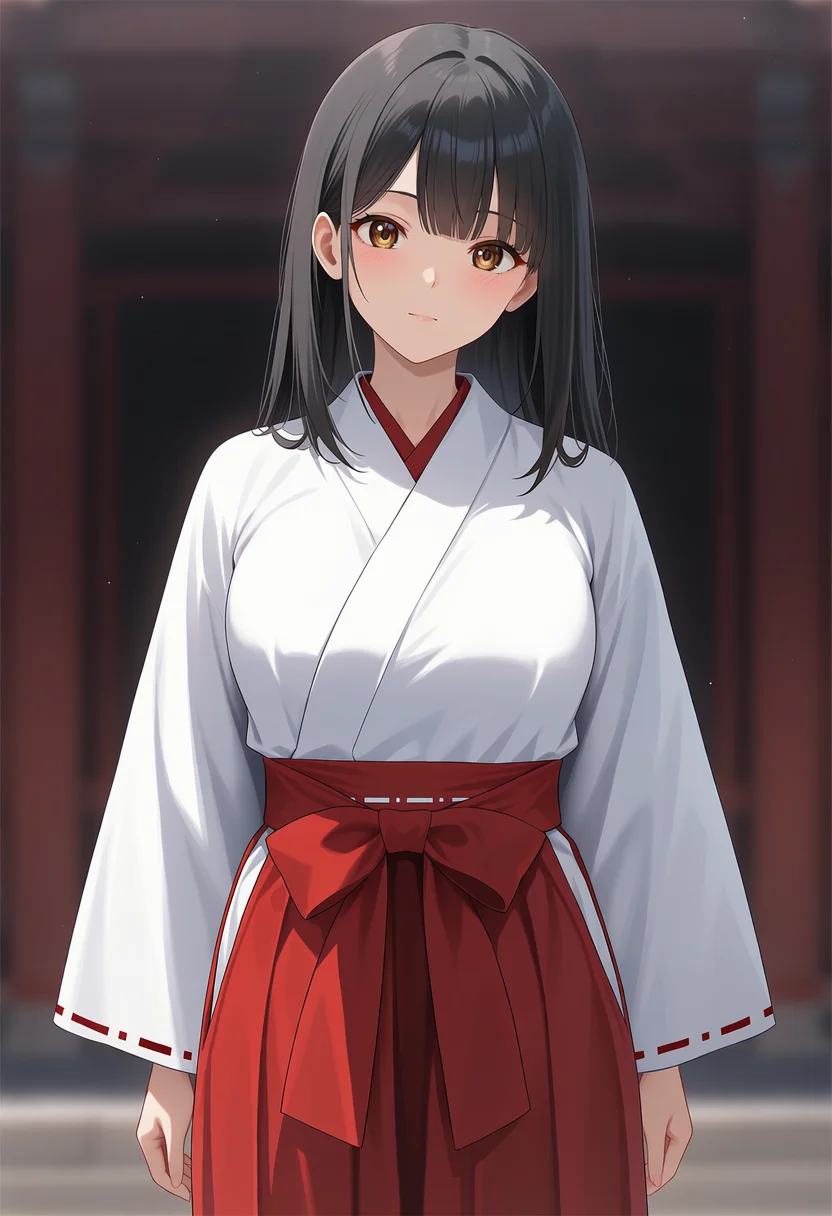
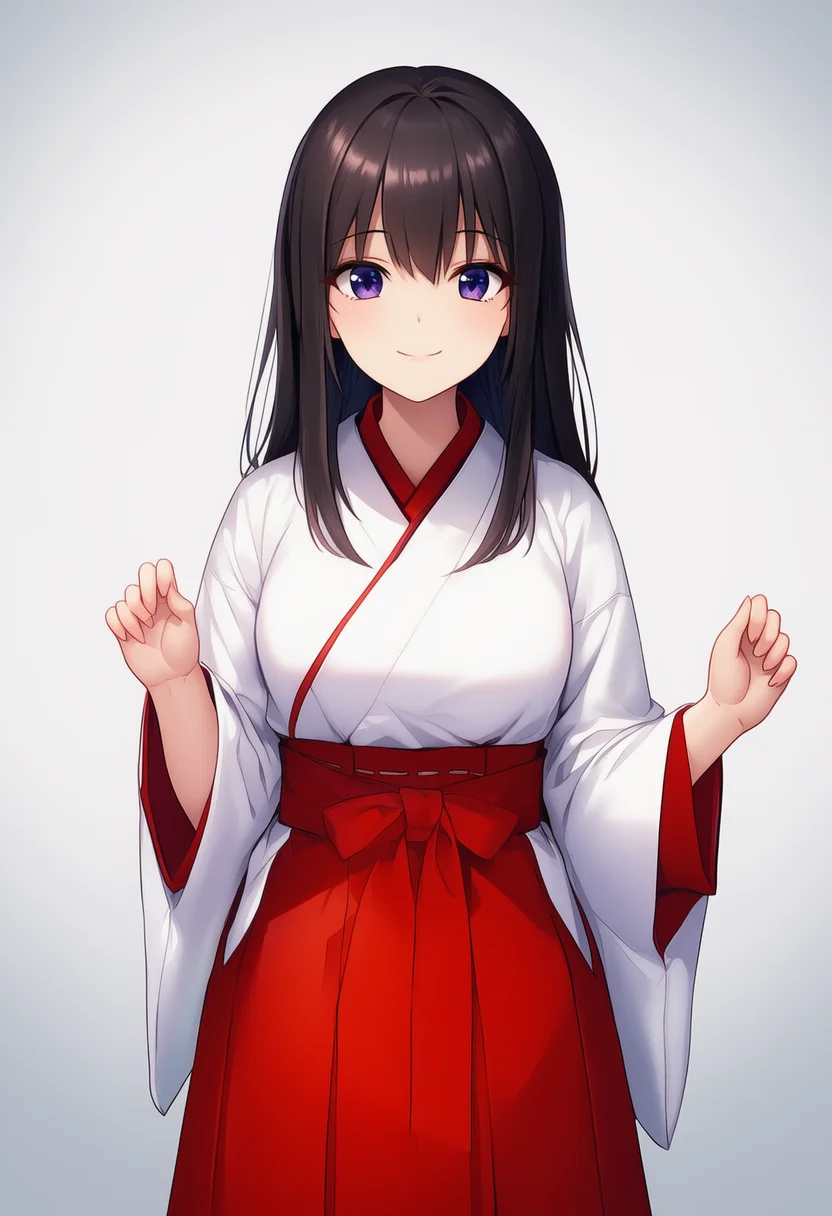
hakama is a fashion tag that NovelAI Diffusion can use. On Danbooru it has 49,890 posts, and its best-rated still image scores 787. The samples above put the tag at the front of a fixed base prompt with seed 1234, so the differences between tags come from the tag alone.
How each model draws hakama
Follows composition and expression instructions closely, so the effect shows in a tidy form.
Reacts to the tag more strongly, so its effect is easier to see.
WAI illustrious SDXL v17, a local model. Shows how the same tag reads outside NovelAI.
Writing hakama in a prompt
Put the subject first, then this tag, then quality tags.
1girl, solo, hakama, best quality, masterpiecewlop, 1girl, hakamaThe negative prompt and the full settings are on the terms page.
How these samples were made
Every image uses 832×1216, seed 1234, 23 steps and the k_euler_ancestral sampler. The base prompt and negative prompt stay the same for every tag, and only the tag under test changes. Images flagged by the NSFW check are regenerated with a new seed or hidden.
From the Danbooru wiki
Show the wiki text ▾Hide ▴
Traditional Japanese clothing, looking like either a pleated skirt (a hakama skirt) or baggy, pleated pants (hakama pants). A traditional hakama has seven deep pleats, five in the front and two in the rear.
Hakama are split into a front and back section at the top, which are tied at the waist, often with visible hip vents and usually covering the midriff. Hakama are normally worn over a kimono and are very often red in color, although any color may be used. Traditional hakama are long garments, but non-traditional hakama short skirts and hakama shorts are often seen in anime.
Hakama were commonly worn both by samurai, miko and kannushi, practitioners of many martial arts including kyuudou, and often by sumo wrestlers when appearing in public outside the ring.
They were traditionally worn by men with either a kataginu sleeveless jacket/vest in an outfit known as kamishimo (lit. upper & lower) or over a formal, long-sleeved montsuki kimono, with the family crest on it. Sometimes a haori is worn over the latter.
During the late 19th and early 20th centuries, they were part of the standard female Meiji schoolgirl uniform until the introduction of the serafuku. They were commonly worn by both female college students and female teachers or professors at graduation ceremonies. They were also a fashionable day to day outfit for young women during this time period, often paired with a kimono with a simple geometric or floral print. Women's hakama tend to be either solid color or with a graduated hue, and hakama meant for young women may be sparsely decorated with floral decorations, paired with a solid color kimono.
Examples
- : Hakama pants
- : Hakama shorts
- : Meiji schoolgirl uniform with long hakama skirt
- : Hakama short skirt
See also
External links
FAQ
Does NovelAI recognize hakama?
Compare the samples on this page. Every tag on this site shares the same seed and base prompt, so any change you see comes from hakama.
How do I write hakama in a prompt?
Write "hakama" near the front of the prompt and separate it from other tags with commas.
Should I use V5 or V4.5?
V4.5 shows the tag's effect more strongly. V5 gives steadier images with fewer artifacts.