About the hanfu tag
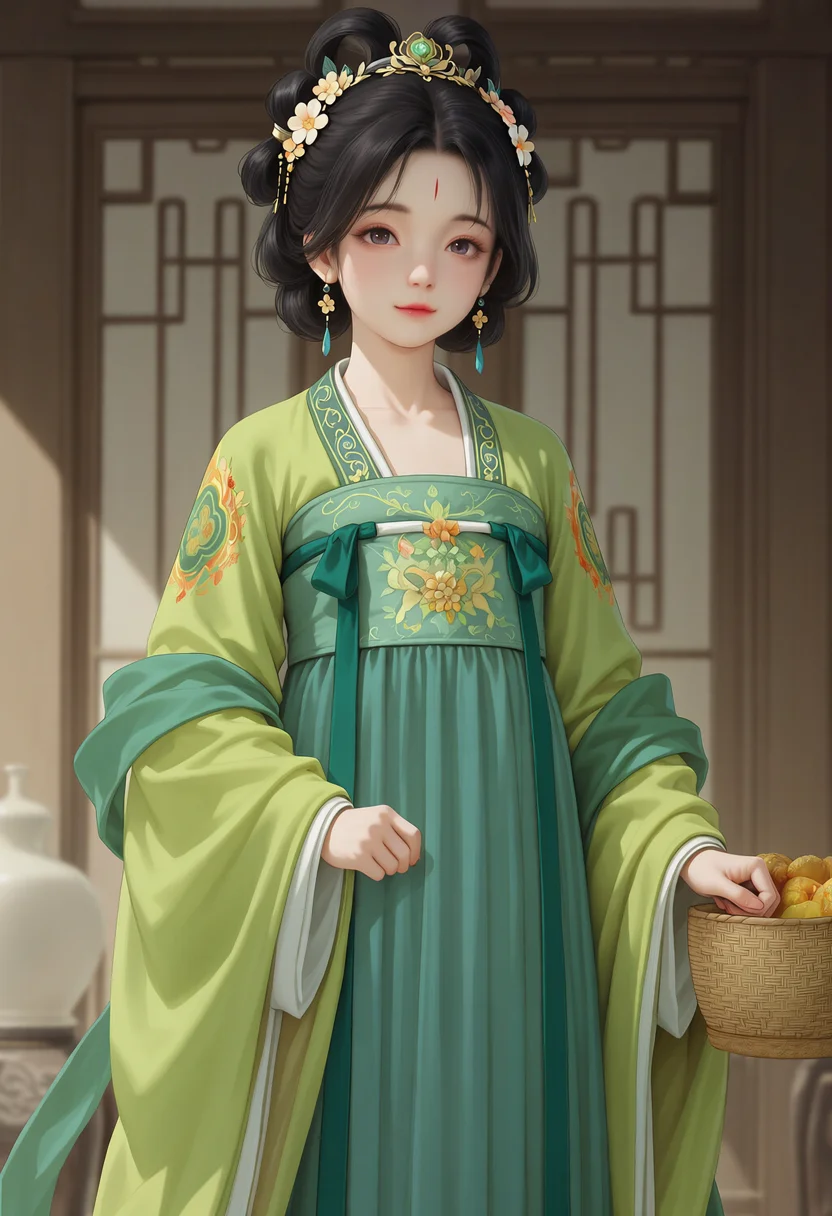
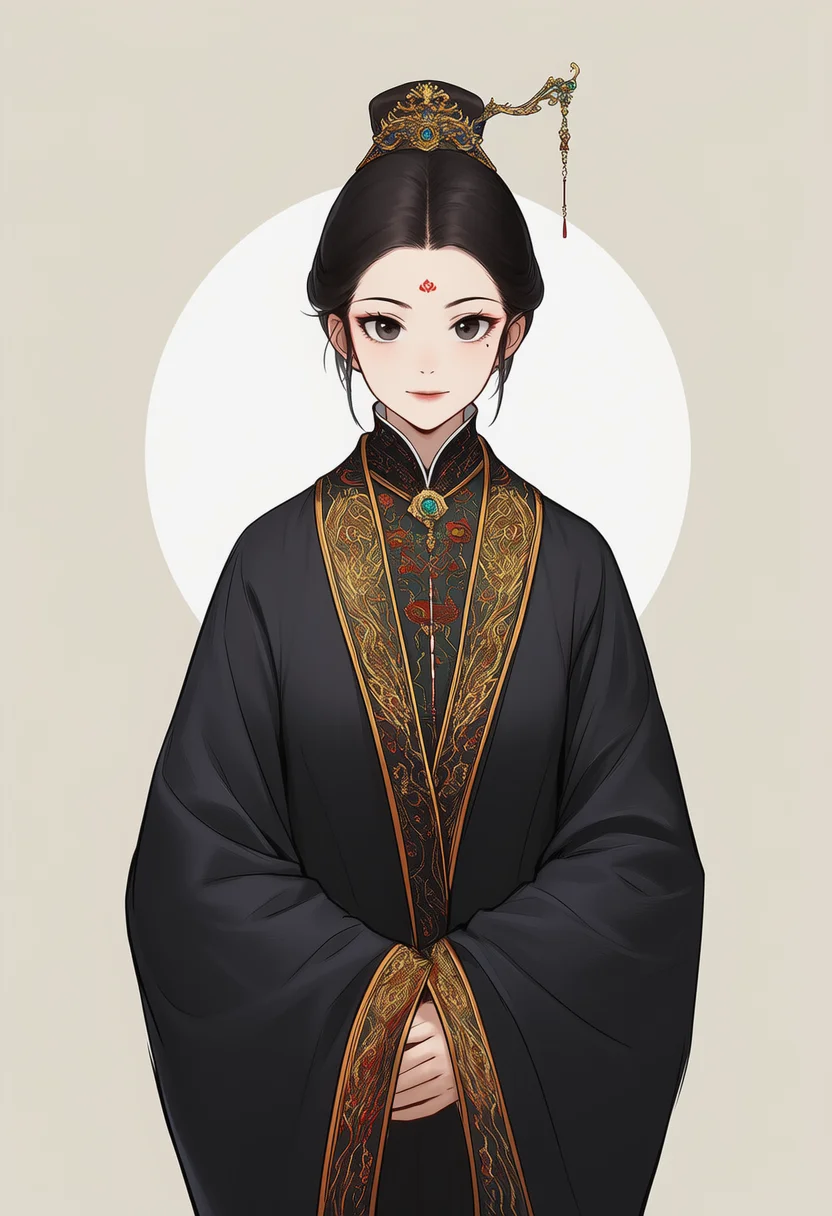
hanfu is a fashion tag that NovelAI Diffusion can use. On Danbooru it has 8,658 posts, and its best-rated still image scores 996. The samples above put the tag at the front of a fixed base prompt with seed 1234, so the differences between tags come from the tag alone.
How each model draws hanfu
Follows composition and expression instructions closely, so the effect shows in a tidy form.
Reacts to the tag more strongly, so its effect is easier to see.
WAI illustrious SDXL v17, a local model. Shows how the same tag reads outside NovelAI.
Writing hanfu in a prompt
Put the subject first, then this tag, then quality tags.
1girl, solo, hanfu, best quality, masterpiecewlop, 1girl, hanfuThe negative prompt and the full settings are on the terms page.
How these samples were made
Every image uses 832×1216, seed 1234, 23 steps and the k_euler_ancestral sampler. The base prompt and negative prompt stay the same for every tag, and only the tag under test changes. Images flagged by the NSFW check are regenerated with a new seed or hidden.
From the Danbooru wiki
Show the wiki text ▾Hide ▴
Historical styles of clothing worn by the Han Chinese before the mid-1600s. Most styles have a “y” shape collar, but there are also styles with a rounded collar.
There are several styles that are at times mistaken for kimono (most notably ruqun). You can typically distinguish between them based on the hairstyle and headwear. Males' hair may be pulled back into a simple ponytail or bun or held by a coronet. Emperors or princes may wear mian guan. If nothing else, huadian (forehead mark), or the circular fan is an easy distinguishing mark.
Hanfu differs from the Qing-era clothing of the mid-1600s to early 1900s. Hanfu refers to clothing worn before this era, when the ruling class was made up of the majority Chinese ethnic group, the Han. The Qing Dynasty was ruled by the Manchu ethnic minority. The pankou and mandarin collar style clothes, often simply referred to as Chinese clothes, are not hanfu, as they are not Han clothing, but in fact Manchu. This goes too for other ethnic minority clothing in China, such as Miao clothes or Uygur clothes. These fall under the umbrella of Chinese clothes, along with hanfu.
Types
Robes & Outfits
- : Aoqun (袄裙)
- : Duijin ruqun (对襟襦裙)
- : Heziqun (诃子裙)
- : Jiaoling ruqun (交领襦裙)
- : Longpao (龙袍)
- : Qixiong ruqun (齐胸襦裙)
- : Qujupao (曲裾袍)
- : Tanling ruqun (坦领襦裙)
- : Yesa robe (曳撒袍)
- : Yuanlingpao (圆领袍)
- : Zhijupao (直裾袍)
Topwear
- !asset #24448901: Banbi (半臂)
- : Beizi (褙子)
- : Bijia (比甲)
- : Dudou (肚兜)
- : Daxiushan (大袖)
- : Hezi (诃子)
- : Yunjian (云肩)
- : fanlingshan (翻领衫)
Legwear
Footwear
- : Yuntouxie (云头鞋)
Headwear
- : Guanjin (纶巾)
- : Fengguan (凤冠)
- : Futou (幞头)
- : Honggaitou (红盖头)
- : Mian Guan (冕冠)
- : Xiao Guan (小冠)
- : Weimao (帷帽)
- : Chinese hairpin (筓)
- : Hair stick (簪子)
- : Dongpo Jin (東坡巾)
- : Guanjin (纶巾)
- : Fengguan (凤冠)
- : Futou (幞头) ((And its subtypes))
- : Honggaitou (红盖头)
- : Hutou hat (虎头帽)
- : Mian Guan (冕冠)
- : Piao Jin (飘巾)
- : Tang Jin (唐巾)
- : Tuan Guan (團冠)
- : Xiao Guan (小冠)
- : Weimao (帷帽)
- : Zhuang Hat
- : Zhouzi Jin (周子巾)
Accessories
- !asset #23155973: Changmingsuo (长命锁)
- : Hagoromo (羽衣)
- : Yaopei (腰佩)
- : Zhijiatao (指甲套)
- : Jade bracelet (玉手镯)
- : Jade (gemstone) (玉石)
- : gourd (葫芦)
- : ruyi (玉如意)
- : fuzi (拂尘)
- : huban (笏板)
- : dao (刀)
See also
External links
FAQ
Does NovelAI recognize hanfu?
Compare the samples on this page. Every tag on this site shares the same seed and base prompt, so any change you see comes from hanfu.
How do I write hanfu in a prompt?
Write "hanfu" near the front of the prompt and separate it from other tags with commas.
Should I use V5 or V4.5?
V4.5 shows the tag's effect more strongly. V5 gives steadier images with fewer artifacts.