About the japanese clothes tag
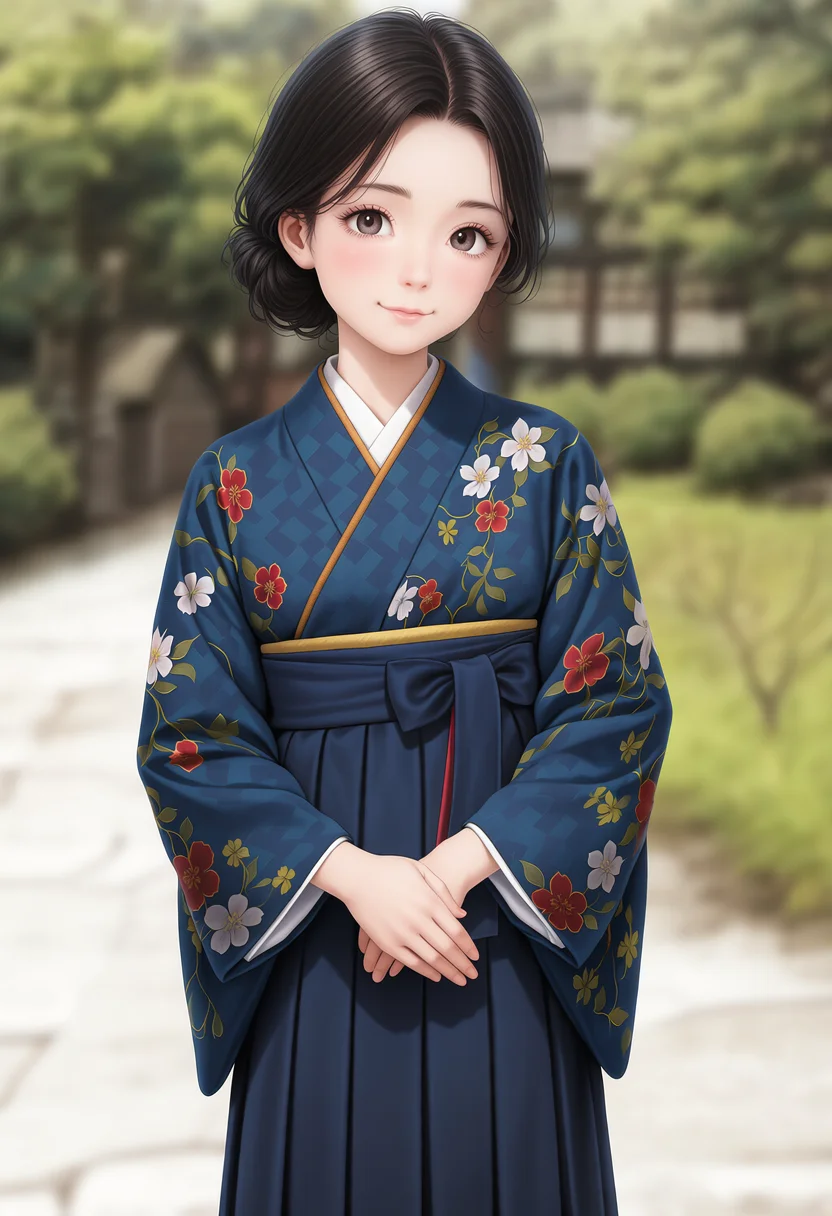
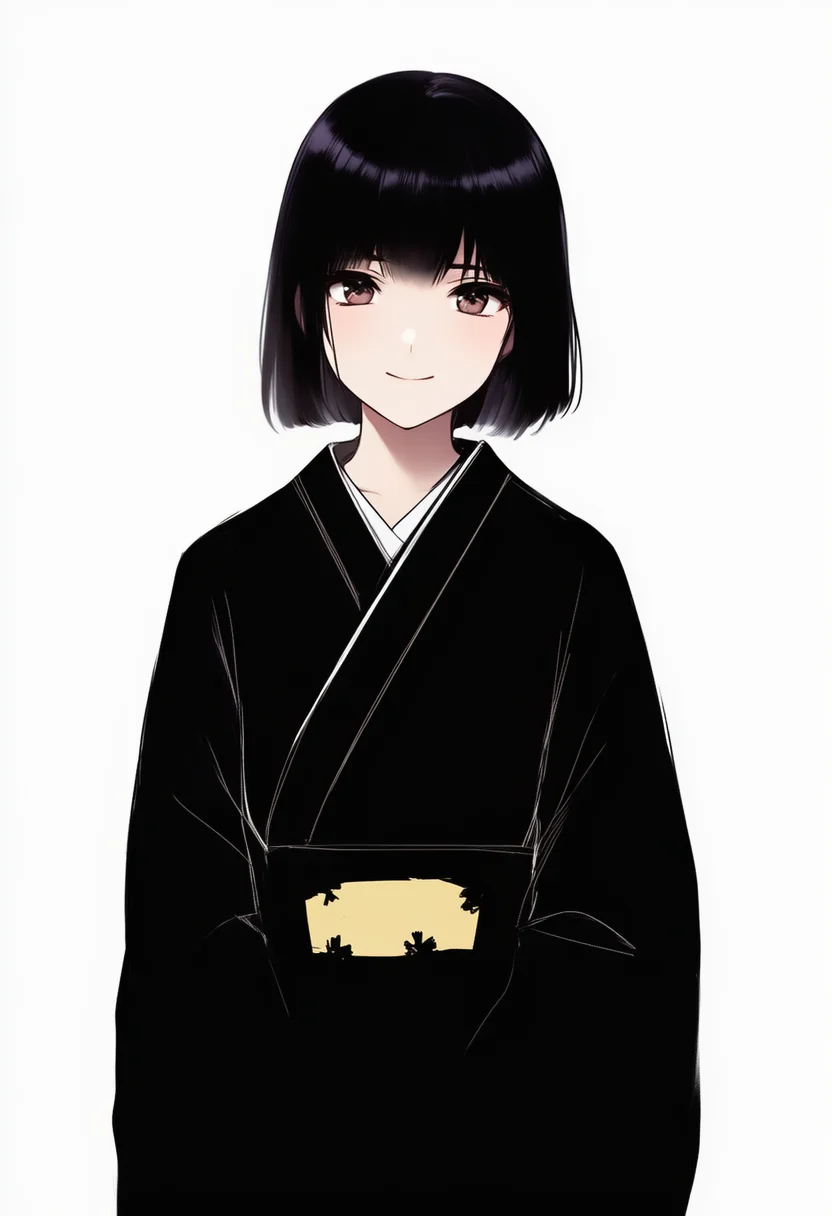
japanese clothes is a fashion tag that NovelAI Diffusion can use. On Danbooru it has 395,321 posts, and its best-rated still image scores 1,791. The samples above put the tag at the front of a fixed base prompt with seed 1234, so the differences between tags come from the tag alone.
How each model draws japanese clothes
Follows composition and expression instructions closely, so the effect shows in a tidy form.
Reacts to the tag more strongly, so its effect is easier to see.
WAI illustrious SDXL v17, a local model. Shows how the same tag reads outside NovelAI.
Writing japanese clothes in a prompt
Put the subject first, then this tag, then quality tags.
1girl, solo, japanese clothes, best quality, masterpiecewlop, 1girl, japanese clothesThe negative prompt and the full settings are on the terms page.
How these samples were made
Every image uses 832×1216, seed 1234, 23 steps and the k_euler_ancestral sampler. The base prompt and negative prompt stay the same for every tag, and only the tag under test changes. Images flagged by the NSFW check are regenerated with a new seed or hidden.
From the Danbooru wiki
Show the wiki text ▾Hide ▴
Any variety of traditional Japanese clothing. This excludes modern Japanese fashion, such as lolita fashion (except wa lolita) and school uniforms like serafuku and gakuran. This also excludes Japanese armor and military uniforms covered under the Japan Self-Defense Force, the Imperial Japanese army, or the Japanese era tags (ex. Meiji).
For modern Japanese fashions, see Tag group:Fashion style.
Clothes
Kimono
- : kimono
- : furisode [br] Kimono with dangling sleeves
- : kimono dress [br] Nontraditional kimono-like dress
- : layered kimono [br] Heian court attire
- : karaginu mo [br] Heian court attire
- : susohiki [br] Floor-length geisha kimono
- : funeral kimono [br] Mourning kimono
- : right-over-left kimono [br] Kimono worn by the deceased
- : shiroshouzoku [br] White kimono worn by the deceased
- : yukata [br] Casual kimono
- : bath yukata
Obi
- : obi [br] Waist sash over kimono
- : obijime [br] Cord tied around obi
- : obidome [br] Obijime accessory
- : obiage [br] Material under obi
- : manaita obi [br] An obi knot tied to the front
Hakama
- : hakama skirt [br] Pleated skirt
- : hakama short skirt
- : hakama pants
- : hakama shorts
Outerwear
- : chanchanko [br] Tied vest
- : chihaya [br] Miko overgarment
- : dotera [br] Kimono-style overcoat
- : haori [br] Men's kimono overjacket
- : happi [br] Festival jacket
- : hanten [br] Tied winter jacket
- : hifu [br] Vest for young girls
- : jinbaori [br] Sleeveless samurai jacket
- : kappougi [br] Sleeved apron
- : kariginu
- : kataginu [br] Wing-like samurai vest
- : kesa [br] Worn only over the left shoulder
- : michiyuki [br] Kimono overcoat
- : uwagi
- : straw cape [br] Straw raincoat
Undergarments
Legwear
Footwear
- : geta [br] Toothed sandals
- : tengu-geta [br] Single-toothed geta
- : koma-geta [br] Platform geta
- : okobo [br] Platform sandals
- : waraji [br] Straw rope sandals
- : zouri [br] Flat thonged sandals
- : tabi [br] Split-toe socks
- : jika-tabi [br] Split-toe shoes
Clothing sets
- : Jinbei [br] Sleepwear
- : Meiji schoolgirl uniform
- : Mizu happi [br] Festival attire
- : Montsuki [br] Men's formal black haori
- : Samue [br] Monk work wear
- : Sokutai [br] Formal court attire
- : Shosei [br] Boarding student attire
- : Karate gi
- : Tsubo shouzoku [br] Noblewomen's traveling attire
- : Wa maid
- : Wa lolita
Wedding clothes
- : hiki furisode [br] Bridesmaid's kimono
- : uchikake [br] Bridal over-kimono
- : shiromuku [br] White uchikake
- : wataboushi [br] Wedding hood
- : tsunokakushi [br] Wedding hat
Accessories & Details
Hair ornaments
- : hair stick
- : hirabitai
- : motoyui [br] Ponytail holder
- : kanzashi [br] Ornate hair ornament
- : tsumami kanzashi [br] Hair flower made of folded fabric
Headwear
- : maetenkan
- : nejiri hachimaki [br] Traditional headband worn during festivals
- : tate eboshi [br] Tall cloth cap worn by male aristocrats
- : tenugui [br] Towel sometimes worn as headscarf or hokkamuri
- : hokkamuri [br] A cloth tied under the nose, worn by burglars
- : tokin hat
- : triangular headpiece [br] Worn by ghosts
Kasa
- : ajirogasa [br] Conical bamboo hat
- : amigasa [br] Folded straw hat
- : ichimegasa [br] Veiled hat
- : jingasa [br] Conical soldier's hat
- : roningasa [br] Vented ronin's hat
- : sandogasa [br] Rounded straw hat
- : torioigasa [br] Hat worn during the Awa Dance Festival
Mask
- : fox mask
- : noh mask
- : oni mask
- : tengu mask
- : hannya
- !asset #48180620: hyottoko mask
Addons
- : haori himo [br] Haori pompoms
- : tasuki [br] Kimono sleeve tie
- : haramaki [br] Stomach wrap
Patterns and motifs on clothing
- : egasumi
- : bamboo print
- : maple leaf print
- : cherry blossom print
- : plum blossom print
- : peony print
- : camellia print
- : spider lily print
- : kikumon
- : morning glory print
- : hydrangea print
- : shippou (pattern)
- : yagasuri
- : karakusa (pattern)
- : sayagata
- : seigaiha
See also
- Miko
- Ainu clothes
- Ryuusou (Okinawan clothes)
- Chinese clothes
- Korean clothes
- Tag group:Attire
- Tag group:Image composition (Traditional Japanese patterns)
- Tag group:Prints
External links
FAQ
Does NovelAI recognize japanese clothes?
Compare the samples on this page. Every tag on this site shares the same seed and base prompt, so any change you see comes from japanese clothes.
How do I write japanese clothes in a prompt?
Write "japanese clothes" near the front of the prompt and separate it from other tags with commas.
Should I use V5 or V4.5?
V4.5 shows the tag's effect more strongly. V5 gives steadier images with fewer artifacts.