About the kimono tag
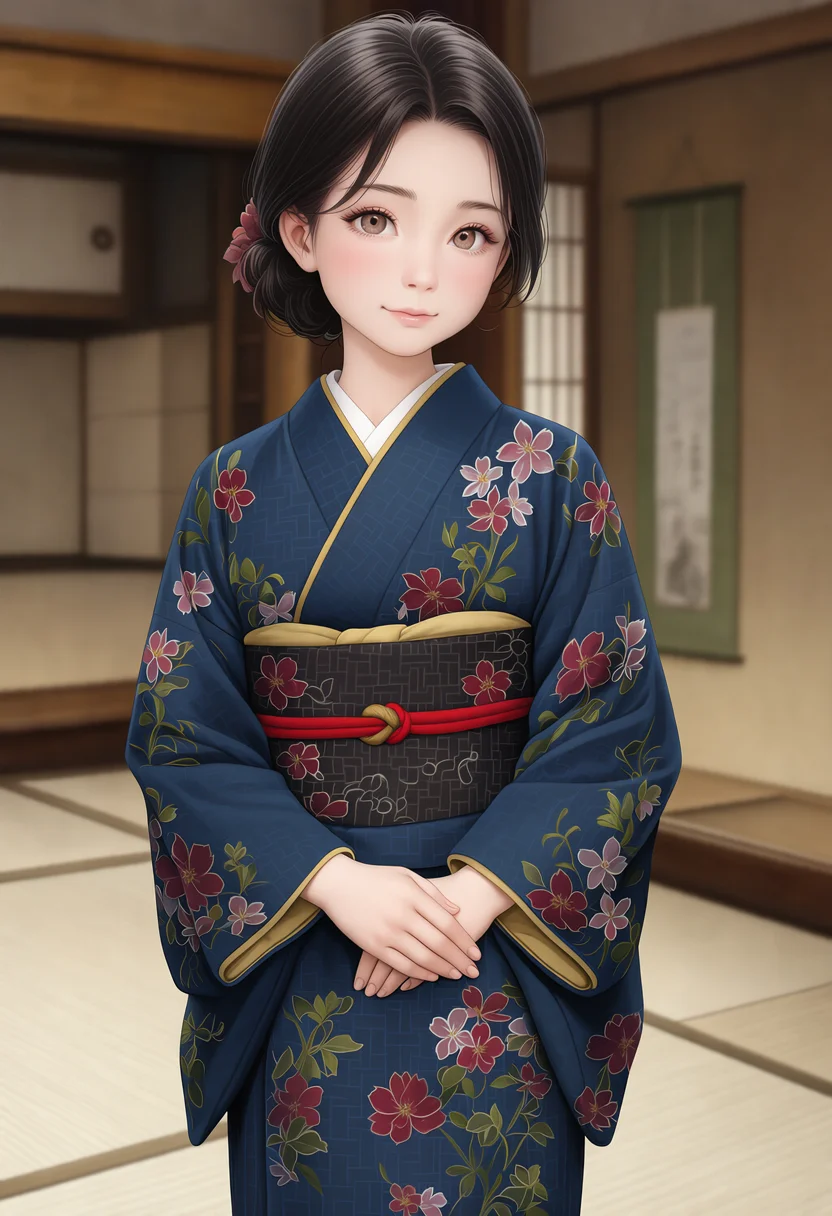
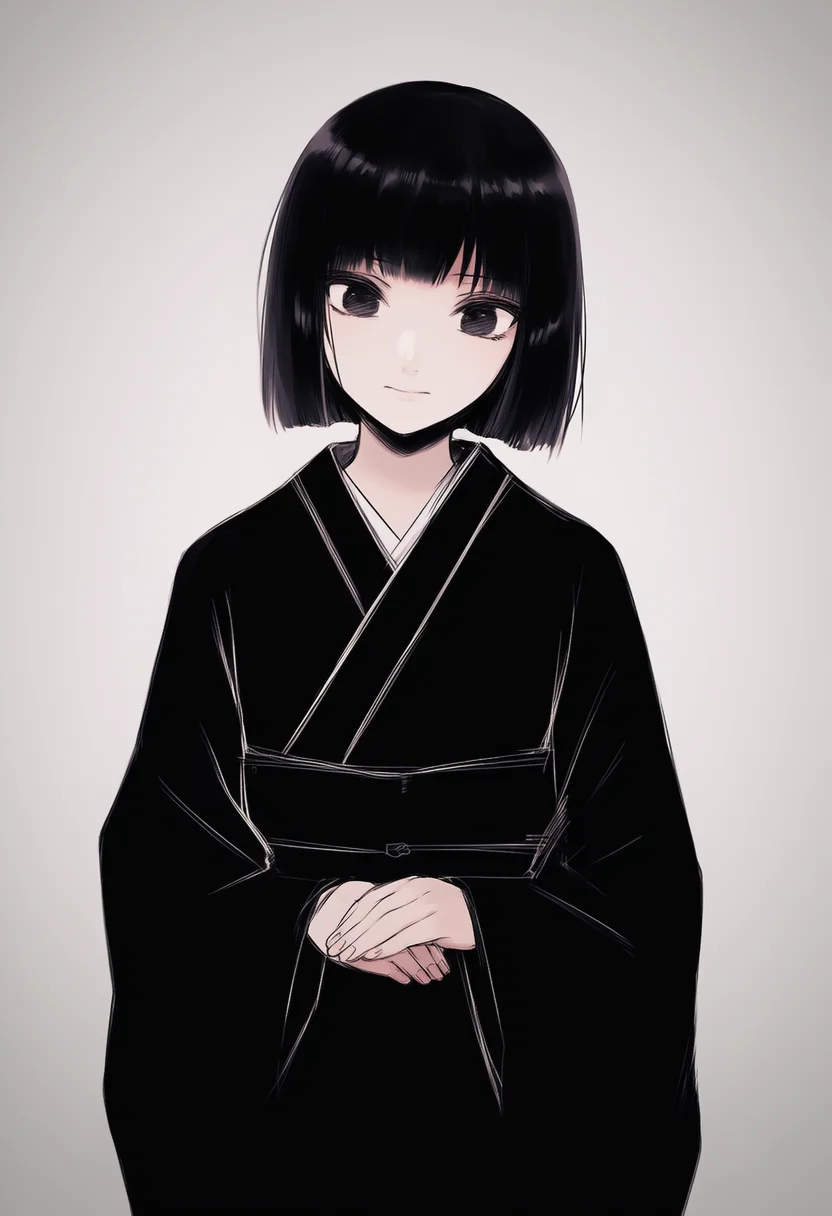
kimono is a fashion tag that NovelAI Diffusion can use. On Danbooru it has 239,690 posts, and its best-rated still image scores 1,276. The samples above put the tag at the front of a fixed base prompt with seed 1234, so the differences between tags come from the tag alone.
How each model draws kimono
Follows composition and expression instructions closely, so the effect shows in a tidy form.
Reacts to the tag more strongly, so its effect is easier to see.
WAI illustrious SDXL v17, a local model. Shows how the same tag reads outside NovelAI.
Writing kimono in a prompt
Put the subject first, then this tag, then quality tags.
1girl, solo, kimono, best quality, masterpiecewlop, 1girl, kimonoThe negative prompt and the full settings are on the terms page.
How these samples were made
Every image uses 832×1216, seed 1234, 23 steps and the k_euler_ancestral sampler. The base prompt and negative prompt stay the same for every tag, and only the tag under test changes. Images flagged by the NSFW check are regenerated with a new seed or hidden.
From the Danbooru wiki
Show the wiki text ▾Hide ▴
A type of traditional Japanese clothing, consisting of a long, wide-sleeved robe, closed at the front forming a "y" shape. It is held closed with a wide belt-like sash called an obi. The sleeves can be tied back with tasuki.
Kimonos are often worn with other traditional accessories, such as zouri (traditional wooden sandals), tabi (split-toe socks), and kanzashi (traditional hair ornaments). A kinchaku (small cloth drawstring bag) is often carried while wearing a kimono.
Kimonos come in many different styles for different occasions. Yukata are worn during summer to summer festivals or to onsens. Furisode are formal kimonos worn by unmarried women. Uchikake and shiromuku are worn by brides during wedding ceremonies.
Juban are usually worn under the kimono as the inner layer, and used by some as sleepwear.
Of note, Kimono from the Sengoku Jidai onward are generally single-piece or layered robes tied with an obi. The Nibushiki Kimono, developed around the 1970s, is a more modern development with incorporates an obi with a two-piece shirt and dress and not considered traditional. If you are tagging a two-piece set of attire with a sash where the bottom-piece is not a hakama consider using hanbok or hanfu instead.
Examples
- : Normal kimono
- : Furisode
- : Uchikake
- : Shiromuku
- : Hiki furisode
- : Yukata
- !asset #48714251
Related tags
Components
- Juban (underlayer)
- Han'eri (constrasting collar)
- Obi (waist sash)
- Obijime (cord tied around obi)
- Obidome (obijime accessory)
- Obiage (material under obi)
- Tasuki (sleeve ties)
Types
- Furisode (an unmarried women's kimono with floor-length sleeves)
** Hiki furisode (a formal furisode for bridesmaids)
- Layered kimono (an intricate Heian-era kimono)
** Karaginu mo (a kimono for the Empress and royal ladies)
- Kimono skirt (a short kimono with a skirt)
- Funeral kimono (a black kimono worn at funerals)
- Right-over-left kimono (a kimono with its right side folded over its left side, used for the dead)
- Shiroshouzoku (a funeral kimono for the deceased)
- Short kimono (a knee-length kimono)
- Susohiki (a kimono worn by geisha and kabuki actors)
- Uchikake (a wedding kimono)
** Shiromuku (a pure-white wedding kimono)
- Yukata (a light summer kimono for casual / normal days)
** Short yukata (a knee-length yukata) ** Bath yukata (a yukata for bath or shower)
Colors
- Aqua kimono
- Black kimono
- Blue kimono
- Brown kimono
- Green kimono
- Grey kimono
- Orange kimono
- Pink kimono
- Purple kimono
- Red kimono
- White kimono
- Yellow kimono
- Multicolored kimono
** Gradient kimono ** Two-tone kimono
Styles
- Backless kimono
- Checkered kimono
- Fur-trimmed kimono
- Frilled kimono
- Lace-trimmed kimono
- Pinstripe kimono
- Plaid kimono
- Polka dot kimono
- Print kimono
- Ribbon-trimmed kimono
- See-through kimono
- Sleeveless kimono
- Striped kimono
States
See also
- Haori
- Wa lolita
- Ikou (kimono clothes hanger)
- Tag group:Attire
External links
FAQ
Does NovelAI recognize kimono?
Compare the samples on this page. Every tag on this site shares the same seed and base prompt, so any change you see comes from kimono.
How do I write kimono in a prompt?
Write "kimono" near the front of the prompt and separate it from other tags with commas.
Should I use V5 or V4.5?
V4.5 shows the tag's effect more strongly. V5 gives steadier images with fewer artifacts.